WHAT ARE POWER SKILLS?
POWER represents skills or qualities that enable children to thrive across social settings and support their participation and self-awareness.
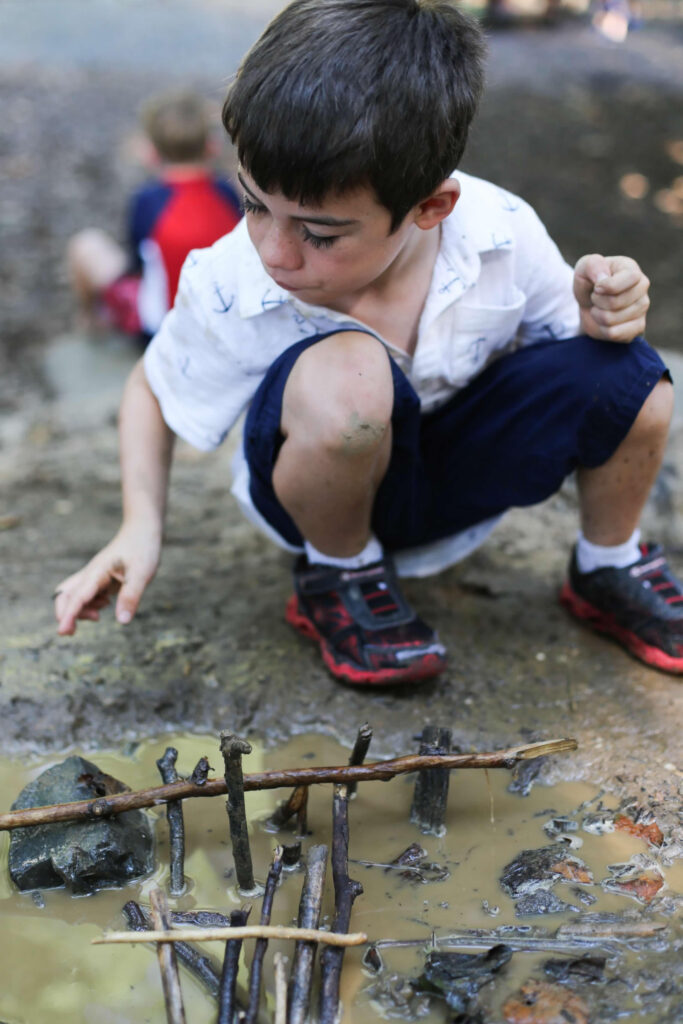
● P – stands for Plan. In order to successfully carry out play schemes, solve problems, interact socially, or complete functional activities of daily living, one needs to be able to formulate a plan, modify as needed, and complete a plan. One POWER skill that falls under the letter P is developing reciprocity and self-confidence, which are necessary skills when you are part of a group plan and encounter differences of opinions and/or ideas. Many executive functioning skills are emphasized within individual and/or group plans throughout each camp day. For younger campers, a basic POWER skill is “keeping your body in the group” so that they can listen, follow and participate in the plan.
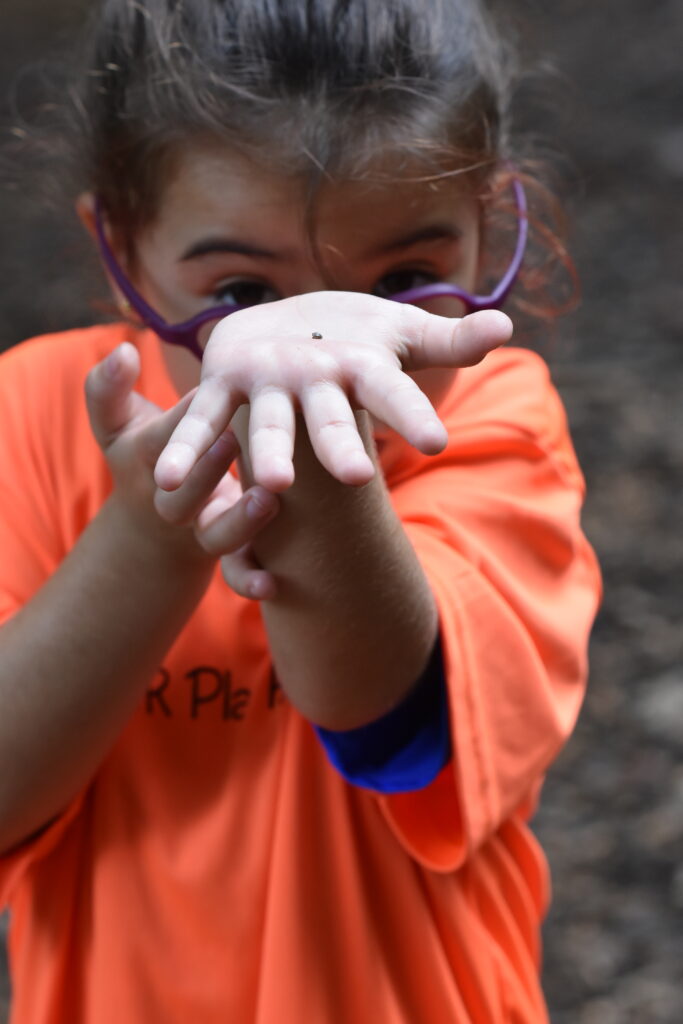
● O – stands for Observe and becoming more aware of one’s surroundings, other peers, and how one’s actions impact others. This POWER skill includes “thinking with your eyes” and making smart guesses through observations and analysis. In camp activities, campers are encouraged to notice cues from their surroundings and peers to understand what is expected and to adjust their actions, words, and emotions so that others feel comfortable.
● W – stands for “We”. To be successful across all social situations, one needs to consider others in addition to their own interests and ideas in order to collaborate and have fun. Practicing flexible thinking and problem-solving skills are important POWER skills emphasized through the letter W. Campers are supported to find common interests or shared experiences to make connections with others. Friendship skills are practiced to nurture relationships at camp and beyond.
● E – stands for Energy and Emotion. These two systems impact our self-regulation and our ability to make a plan, observe, think about others, and problem solve. Campers develop an understanding that various levels of energy and emotional states impact relationships and their ability to be a part of a group and complete tasks. Campers learn about identifying “hidden rules” and “expected behaviors” and using strategies to regulate, manage anxious feelings or fears, and problem solve. Learning the concept of “size of the problem” and practicing appropriate reactions in relation to different problems is an important POWER skill.
● R – stands for Rest and Relax and supports a child’s ability to recognize their energy state and regulate based on strategies practiced at camp.
On Fridays, campers are thrilled to leisurely explore 15+ relaxation stations that provide opportunities to identify ways to relax and practice slowing down. In past summers, stations have included massage, yoga, dance, music, foot soaks, mani-pedis, face painting, sewing, aromatherapy, creating fidgets, clay, unstructured art area, cozy book corner, pet station, and nature hikes.
Two curriculums, Social Thinking by Michelle Garcia Winner, and The Zones of Regulation by Leah M. Kuypers, provide a foundation for the concepts, themes and activities planned throughout the week. In addition, we will support the understanding and use of POWER skills across more specific social and emotional nuances regarding the following topics:
Worry Wise (understanding worries, and strategies to overpower a worry) Respectful Relationships (words and actions matter)
Making and Keeping Friends (handling friendship drama, conversational skills, and more)
Brain Skills (learning and practicing organization of time, space and materials at home and school, and other executive functioning skills)
Body Boundaries (understanding one’s own body bubble, how to defend your own, and how to respect others’ body boundaries)
Family First Aid (family communication and reaction styles, sibling bonds)
What Do I Say…(i.e. in a tough situation, to a bully, in response to teasing, when embarrassed, and more)
Self Esteem (building and maintaining confidence, recognizing personal strengths) Tech Talk (positive & negative of technology and how it may impact our brain and relationships)